 Kuroma
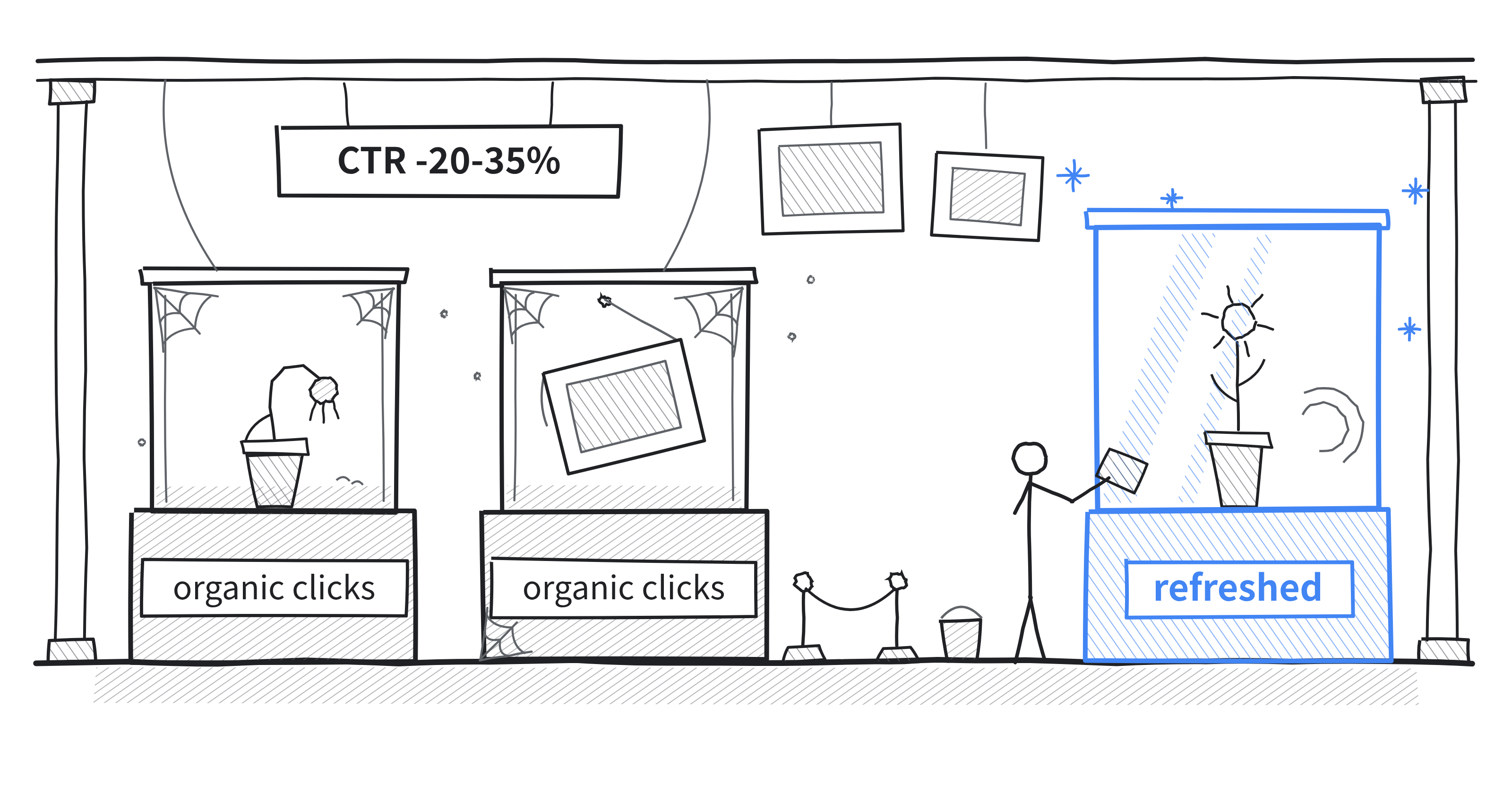
The digital marketing landscape is experiencing a seismic shift. Google AI Overviews, the search giant's AI-powered response system, is fundamentally transforming how users interact with search results. This revolutionary change is creating a phenomenon we call "content decay" – where traditional organic traffic strategies are becoming obsolete as AI-generated summaries intercept user queries before they ever reach your website.
For brands that have built their digital presence on organic traffic, the implications are staggering. Early data shows click-through rates dropping by 20-35% in sectors where AI Overviews are prominently featured. This isn't just an adjustment to search algorithms – it's a complete reimagining of how content marketing and SEO strategy must evolve in an AI-first world.
Understanding Google AI Overviews and Their Impact on Search
Google AI Overviews represent the most significant change to search since the introduction of featured snippets. Unlike traditional search results that simply list relevant pages, AI Overviews synthesize information from multiple sources to provide comprehensive answers directly in the search results page.
This AI-powered feature addresses user queries with sophisticated natural language processing, drawing from various authoritative sources to create cohesive, informative responses. The result? Users are getting their questions answered without ever clicking through to the original content sources.
The impact on organic traffic is immediate and measurable. Websites that previously captured traffic through informational queries are now seeing dramatic reductions in click-through rates. E-commerce sites, educational platforms, and content publishers are among the most affected, with some reporting traffic drops of up to 40% for certain query types.
The Anatomy of Content Decay
Content decay in the AI era manifests in several distinct ways:
Informational Query Interception: AI Overviews excel at answering "how-to," "what is," and "why" questions directly in search results. Content that previously ranked well for these queries now finds itself buried beneath comprehensive AI-generated responses.
Source Attribution Without Traffic: While AI Overviews often cite sources, the attribution doesn't translate to meaningful traffic. Users consume the synthesized information without feeling compelled to visit the original sources.
Reduced Dwell Time on SERPs: When AI Overviews successfully answer user queries, the time spent on search engine results pages decreases, but so does the likelihood of clicking through to websites.
Competitive Consolidation: Multiple competing pieces of content are now consolidated into single AI responses, essentially eliminating the competitive advantage of ranking in positions 1-3 for certain query types.
Measuring the Real Impact: Data-Driven Insights
The numbers paint a stark picture of the changing search landscape:
- Click-through rate reductions: Industry studies show average CTR drops of 20-35% for queries where AI Overviews appear
- Query type variations: Informational queries see the highest impact (up to 45% traffic reduction), while transactional queries remain more resilient
- Industry disparities: Healthcare, technology, and educational content face the steepest traffic declines
- Long-tail keyword impact: Surprisingly, long-tail keywords aren't immune – AI Overviews can synthesize responses for highly specific queries
These metrics underscore the urgency for brands to adapt their content strategies. The traditional SEO approach of optimizing for keyword rankings is becoming insufficient when those rankings no longer guarantee traffic.
The Broader AI Search Ecosystem
Google AI Overviews are just one part of a larger transformation in AI-powered search. Competitors like Perplexity, Claude, and ChatGPT are also changing how users discover and consume information. This multi-platform shift means brands must consider their visibility across the entire AI search ecosystem, not just Google.
Each AI platform has its own content preferences, citation patterns, and user behaviors. What performs well in Google AI Overviews might not translate to visibility in ChatGPT or Perplexity. This fragmentation requires a more sophisticated approach to content strategy and brand monitoring.
Adapting Your SEO Strategy for the AI-First Era
Embrace E-A-T Principles More Than Ever
Expertise, Authoritativeness, and Trustworthiness (E-A-T) have become critical factors in AI content selection. AI systems tend to favor sources that demonstrate clear expertise and authority. This means:
- Author credibility: Ensure content is attributed to recognized experts
- Source transparency: Provide clear information about content creators and their qualifications
- Citation quality: Reference authoritative sources and maintain high editorial standards
Develop AI-Optimized Content Formats
Traditional blog posts and articles need restructuring for AI consumption:
- Structured data implementation: Use schema markup to help AI systems understand and categorize your content
- Clear hierarchical information: Organize content with distinct sections that AI can easily parse and cite
- Comprehensive coverage: Create content that addresses topics holistically rather than focusing on single keywords
Focus on Transactional and Commercial Intent
While informational queries are increasingly captured by AI Overviews, transactional content remains more likely to drive traffic:
- Product comparisons: Detailed comparative content that helps users make purchasing decisions
- Local optimization: Location-based queries still drive significant click-through rates
- Time-sensitive content: News, events, and trending topics that require fresh, real-time information
Rethinking Content Marketing in an AI-Dominated Landscape
Build Direct Relationships Beyond Search
With organic search becoming less reliable, brands must diversify their traffic sources:
- Email marketing renaissance: Building direct communication channels becomes more valuable
- Community building: Creating platforms where your audience engages directly with your brand
- Social media strategy: Leveraging platforms where AI hasn't yet dominated content discovery
Create Unique Value Propositions
Content that survives AI Overview interception offers something AI cannot replicate:
- Original research: Proprietary data and insights that AI systems must cite
- Interactive experiences: Tools, calculators, and dynamic content that require user engagement
- Personal perspectives: Unique viewpoints and experiences that add human value to factual information
Optimize for AI Citation
If your content will be synthesized rather than visited, optimize for proper attribution:
- Clear branding: Ensure your brand name is prominently associated with key insights
- Memorable statistics: Create quotable data points that AI systems are likely to cite
- Thought leadership: Develop content that positions your brand as the authoritative source on specific topics
Monitoring Your Brand's AI Visibility
Understanding how AI platforms represent your brand requires sophisticated monitoring beyond traditional SEO tools. Track:
- Citation frequency: How often your content appears as a source in AI responses
- Attribution quality: Whether your brand receives proper credit for cited information
- Competitive positioning: How your brand compares to competitors in AI-generated responses
- Cross-platform consistency: Ensuring accurate representation across multiple AI search platforms
Future-Proofing Your Content Strategy
The AI search landscape will continue evolving rapidly. Successful brands will:
Invest in Content Quality Over Quantity: High-quality, authoritative content that AI systems trust and cite regularly
Develop Multimedia Approaches: Video, audio, and interactive content that complement text-based AI responses
Build Topic Authority: Become the definitive source for specific subjects rather than competing broadly
Maintain Agility: Continuously adapt strategies as AI search capabilities evolve
Conclusion: Navigating the New Content Landscape
The rise of Google AI Overviews represents more than a search algorithm update – it's a fundamental shift in how information is discovered and consumed online. Content decay is real, measurable, and accelerating. Brands that recognize this transformation and adapt their strategies accordingly will maintain their competitive edge.
The key lies not in fighting against AI-powered search, but in understanding how to work within this new ecosystem. By focusing on authoritative content creation, diversifying traffic sources, and optimizing for AI citation, brands can navigate this transition successfully.
The content marketing strategies that worked in the past decade won't sustain brands in the AI era. Those who embrace this change, invest in quality over quantity, and build direct relationships with their audiences will emerge stronger in an AI-first digital landscape.
As we move forward, monitoring your brand's representation across AI platforms becomes as crucial as traditional SEO tracking. The brands that thrive will be those that adapt quickly, create genuine value, and maintain their authority in an increasingly AI-mediated world.