 Kuroma
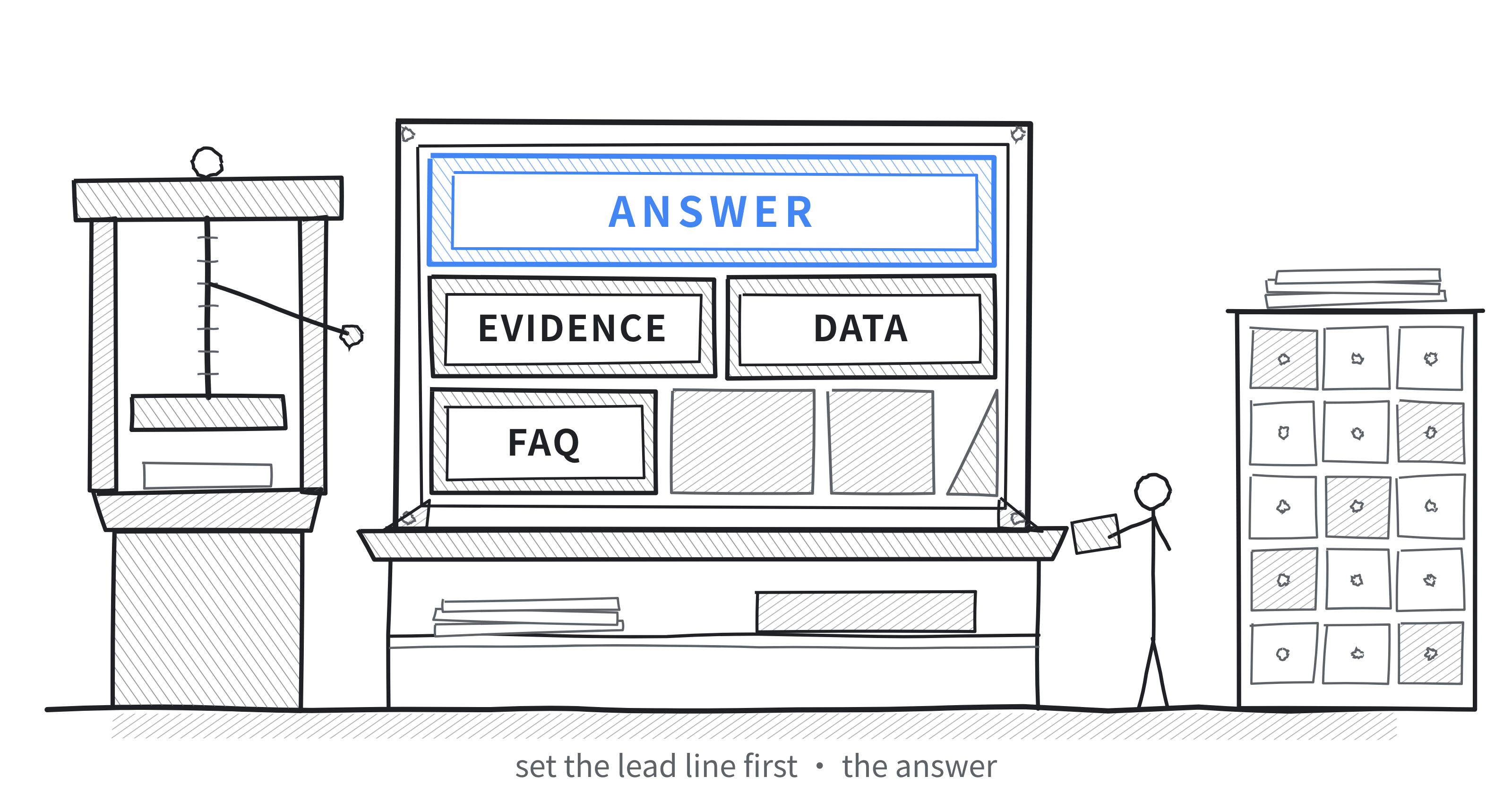
The digital landscape has fundamentally shifted with AI engines now serving millions of queries daily across platforms like ChatGPT, Gemini, Claude, Perplexity, and Grok. Traditional SEO is no longer enough—brands need comprehensive AI content optimization strategies that ensure their expertise appears in AI-generated responses while maintaining their unique brand voice. This transformation in content strategy isn't just about adapting to new technology; it's about securing your brand's future visibility in an AI-dominated information ecosystem.
At Chroma, we've analyzed millions of AI responses across seven major platforms to understand how content gets selected, referenced, and presented in AI-generated answers. What we've discovered is that successful brand visibility in AI engines requires a completely new approach to content structure and optimization.
Understanding the AI Content Landscape
AI engines process and synthesize information differently than traditional search engines. While Google's algorithms focus heavily on backlinks, domain authority, and keyword matching, AI platforms prioritize content that demonstrates clear expertise, provides comprehensive answers, and maintains factual accuracy. This shift means that your content strategy must evolve to meet these new criteria.
Recent data from our platform monitoring shows that brands appearing consistently in AI responses share common content characteristics: structured information architecture, authoritative sourcing, and clear value propositions. These elements form the foundation of effective AI marketing strategies that drive measurable brand visibility improvements.
The stakes are higher than ever. When an AI engine references your brand or expertise in a response, it's essentially providing a recommendation to potentially millions of users. This level of exposure can dramatically impact brand perception and market positioning—making AI content optimization a critical business priority.
The Core Elements of AI-First Content Structure
Authority Signaling
AI engines heavily weight content that demonstrates clear expertise and authority. This means your content must explicitly establish credibility through specific structural elements. Include author credentials prominently, cite relevant statistics and studies, and provide clear evidence for any claims made.
Effective authority signaling goes beyond simply stating qualifications. It involves weaving credibility markers throughout your content in ways that AI engines can easily identify and verify. This includes structured data markup, consistent author attribution, and linking to authoritative sources that support your arguments.
Comprehensive Topic Coverage
AI platforms favor content that provides complete, nuanced coverage of topics rather than surface-level treatments. This doesn't mean creating longer content for length's sake, but rather ensuring that your content addresses the full spectrum of user intent and related questions.
When developing content, consider the entire question ecosystem around your topic. What follow-up questions might users have? What related concepts need explanation? What potential objections or counterarguments should be addressed? This comprehensive approach increases the likelihood that AI engines will select your content as a primary reference source.
Factual Precision and Verification
AI engines are increasingly sophisticated at identifying and prioritizing factually accurate content. This trend is particularly important given the rise of AI-powered fact-checking tools like Chroma's Fact Watch feature. Content that contains inaccuracies, outdated information, or unsupported claims is less likely to be referenced by AI platforms.
Implement robust fact-checking processes in your content creation workflow. Verify statistics, update temporal references regularly, and provide clear attribution for all factual claims. Consider how your content might perform under scrutiny from AI fact-verification systems.
Technical Optimization Strategies for AI Visibility
Structured Data and Schema Markup
While AI engines don't rely solely on traditional HTML markup, structured data still plays a crucial role in helping AI systems understand and categorize your content. Implement relevant schema markup for articles, organizations, products, and reviews to provide clear context signals.
Focus particularly on schema types that clearly identify expertise areas, publication dates, and author credentials. This structured approach helps AI engines understand not just what your content says, but also its context and credibility within your industry.
Semantic Content Organization
AI engines excel at understanding semantic relationships between concepts. Organize your content to clearly demonstrate these relationships through strategic use of headings, subheadings, and internal linking structures.
Create topic clusters that comprehensively cover subject areas rather than isolated pieces of content. This clustering approach signals to AI engines that your brand has deep expertise in specific domains, increasing the likelihood of being referenced as an authoritative source.
Query-Intent Alignment
Successful AI content optimization requires deep understanding of user query patterns and intent. AI engines prioritize content that directly addresses specific user needs rather than broadly optimized content that attempts to rank for multiple keywords.
Analyze the types of queries that AI engines are processing in your industry. What specific questions are users asking? What level of detail do they expect in responses? Structure your content to provide direct, actionable answers to these specific queries while maintaining your brand's unique perspective and voice.
Brand Voice Preservation in AI-Optimized Content
One of the biggest challenges in AI content optimization is maintaining brand distinctiveness while meeting AI engine preferences for authoritative, comprehensive content. The solution lies in developing a systematic approach to brand voice integration that doesn't compromise optimization effectiveness.
Unique Perspective Integration
Rather than creating generic, broadly applicable content, focus on providing unique insights and perspectives that only your brand can offer. This might include proprietary research, specific case studies, or industry observations based on your particular expertise or market position.
AI engines increasingly value diverse perspectives and unique insights over generic information that's available from multiple sources. Your brand's distinctive viewpoint becomes a competitive advantage in AI visibility when properly structured and presented.
Consistent Messaging Architecture
Develop a consistent messaging architecture that can be applied across all content while maintaining AI optimization best practices. This includes establishing key brand messages, preferred terminology, and consistent positioning statements that can be woven into optimized content structures.
Measuring AI Content Performance
Visibility Tracking Across Platforms
Traditional content metrics don't capture AI engine performance effectively. You need specialized tracking that monitors how often your content appears in AI-generated responses across different platforms. This includes monitoring brand mentions, direct citations, and thematic associations.
Chroma's platform monitoring capabilities provide insights into how your content performs across ChatGPT, Gemini, Claude, Perplexity, Grok, AI Overviews, and AI Mode. This comprehensive tracking reveals patterns in AI engine preferences and helps optimize future content strategy.
Brand Perception Analysis
AI engines don't just determine whether your content appears in responses—they also influence how your brand is perceived and positioned relative to competitors. Monitor not just visibility metrics but also the context and framing of your brand mentions in AI-generated content.
Use Monte Carlo simulations and competitor tracking to understand how different content strategies might impact long-term brand perception across AI platforms. This predictive approach helps optimize content strategy for sustained competitive advantage.
Implementation Framework for AI-First Content
Content Audit and Gap Analysis
Begin by auditing your existing content against AI optimization criteria. Identify pieces that demonstrate strong authority signals, comprehensive coverage, and factual precision. Also identify gaps where competitors may be achieving better AI visibility.
This audit should examine both content quality and structural elements that influence AI engine selection. Look for opportunities to enhance existing high-performing content rather than creating entirely new pieces.
Systematic Content Enhancement
Develop a systematic approach to enhancing content for AI visibility. This includes establishing consistent formatting standards, fact-checking protocols, and authority signaling practices across all content creation.
Prioritize content updates based on strategic importance and current performance in AI engines. Focus initial efforts on content areas where improved AI visibility would have the greatest business impact.
Continuous Monitoring and Optimization
AI engine preferences and capabilities continue to evolve rapidly. Implement continuous monitoring systems that track both your performance and broader industry trends in AI content selection.
Regularly test new approaches and measure their impact on AI visibility metrics. What works today may not work tomorrow, making adaptability a critical component of long-term success in AI content optimization.
The Future of AI-First Content Strategy
As AI engines become more sophisticated and widespread, the importance of AI-first content strategy will only increase. Brands that establish strong AI visibility now will have significant advantages as these platforms continue to grow and evolve.
The key is balancing optimization for AI engines with authentic brand expression and genuine value creation for users. The most successful AI content strategies will be those that achieve visibility not through manipulation of AI systems, but through creation of genuinely valuable, authoritative content that serves both user needs and business objectives.
Success in this new landscape requires ongoing commitment to understanding AI engine evolution, maintaining content quality standards, and preserving brand authenticity while meeting technical optimization requirements. The brands that master this balance will dominate visibility in the AI-driven information ecosystem of the future.